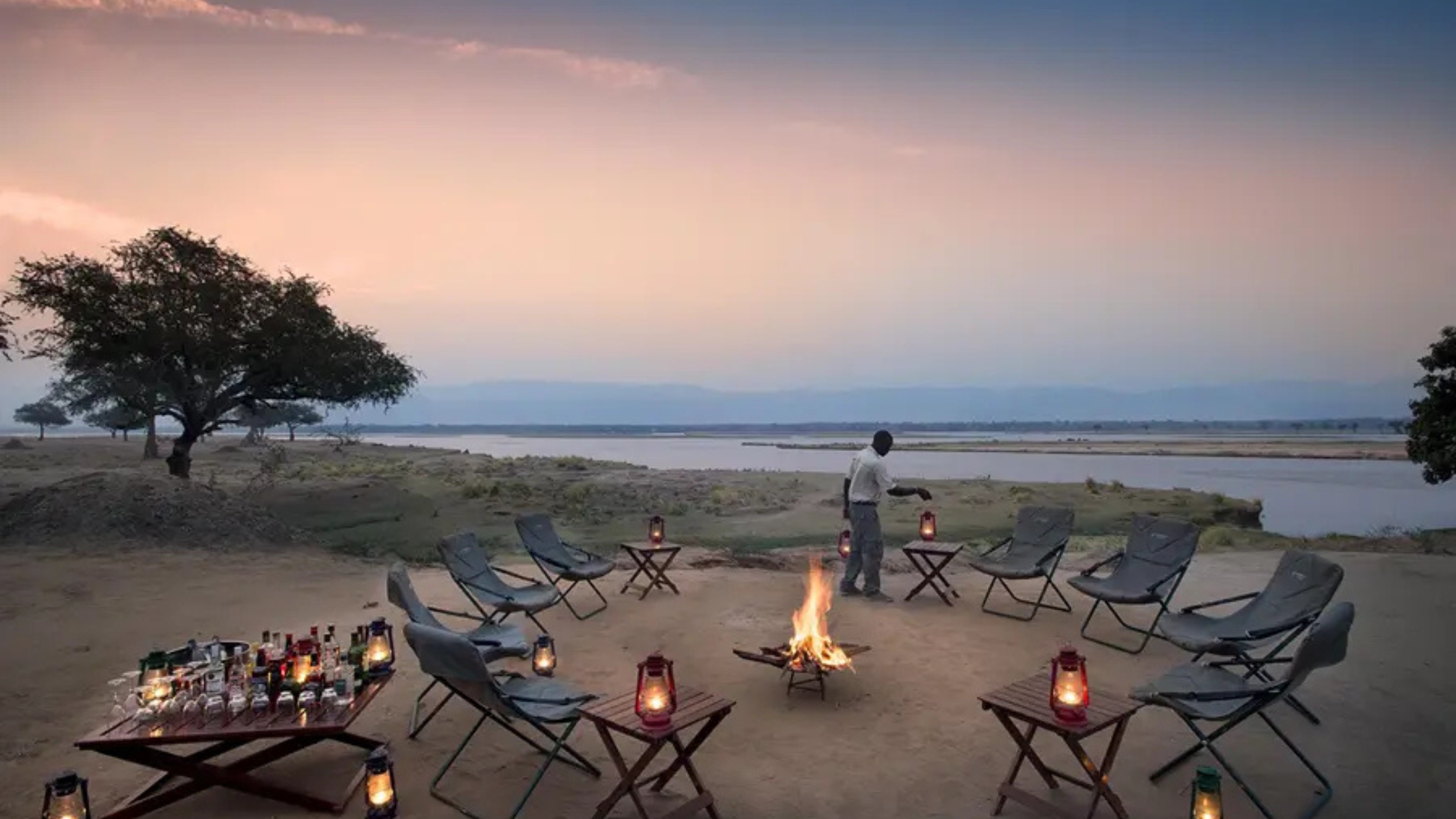
A safari is more than spotting the Big Five. It's the early morning wake-up call from your camp attendant, the expert guide who brings the bush to life, the tracker who spots a leopard hidden in the grass and the team behind the scenes who make every moment feel effortless.
While tipping is never mandatory, it is one of the most meaningful ways to thank the people who make your safari unforgettable.
If you're wondering how to tip on a safari, how much to tip a safari guide, or what the tipping etiquette in East Africa looks like, this guide will help you navigate it with confidence.
Why Do You Tip?
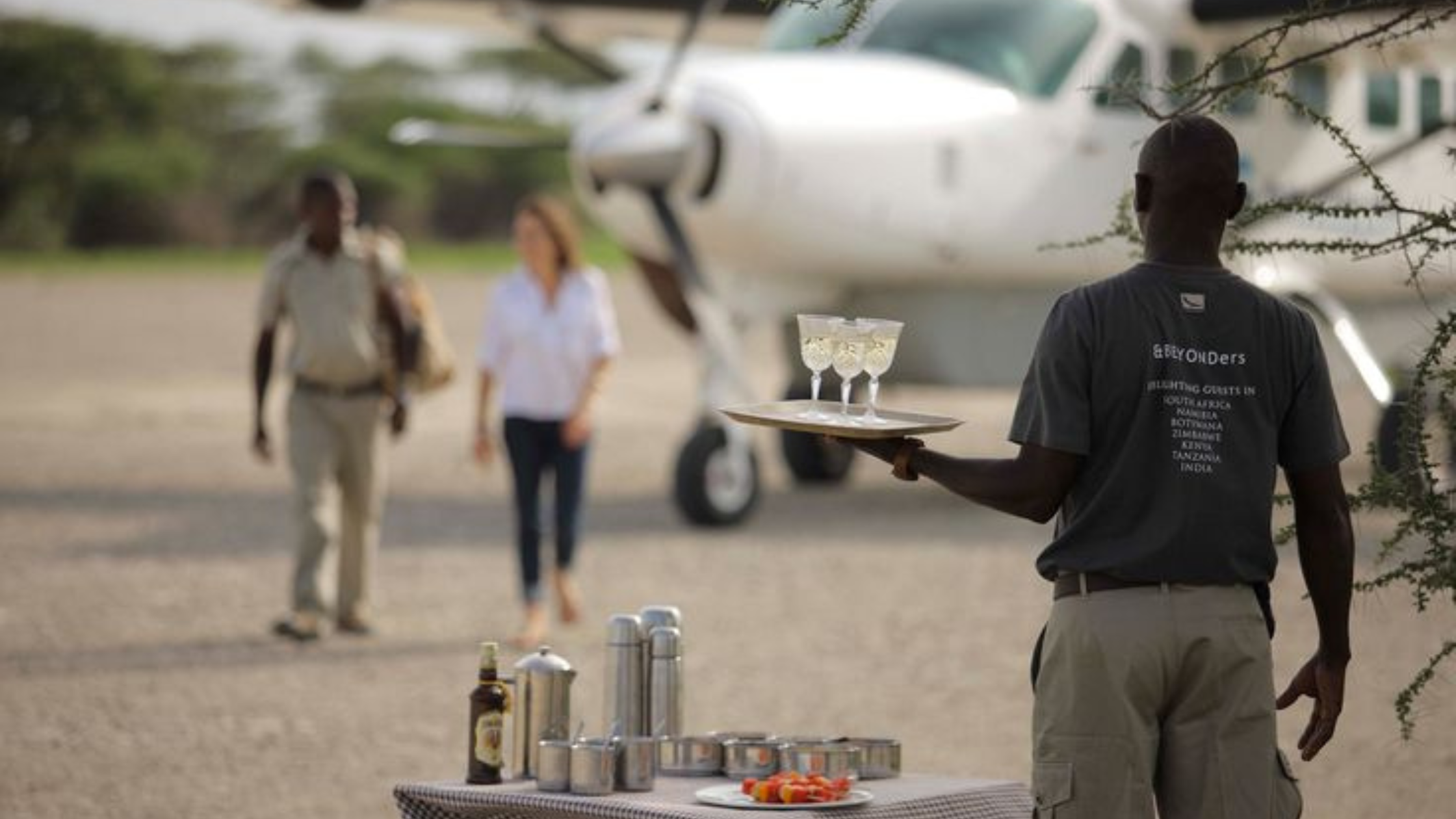
Hospitality is built on people, by the people and for the people. Behind every exceptional safari experience is a dedicated team working long hours to ensure your comfort, safety and enjoyment. A tip is simply a way of recognising outstanding service and showing appreciation for the effort that often goes unseen.
For many tourism professionals across Africa, tips also provide an important source of additional income that helps support their families and communities.
Most importantly, tipping is entirely at your discretion. It should reflect the quality of service you received and what feels appropriate to you.
Should You Tip?
The short answer is yes—but only if you wish to.
Unlike some destinations where tipping is expected for nearly every interaction, safaris generally encourage tipping as a gesture of appreciation rather than an obligation.
If your guide went above and beyond to find wildlife, your camp staff made your stay feel like home, or your butler anticipated your needs before you asked, a tip is a thoughtful way to say thank you.
Remember:
- Tipping is voluntary.
- There is no requirement to tip if you are unhappy with the service.
- Exceptional service often deserves recognition.
Who Do You Tip?
A safari experience involves many people working together. Depending on your itinerary, you may choose to tip some or all of the following.
Safari Guide
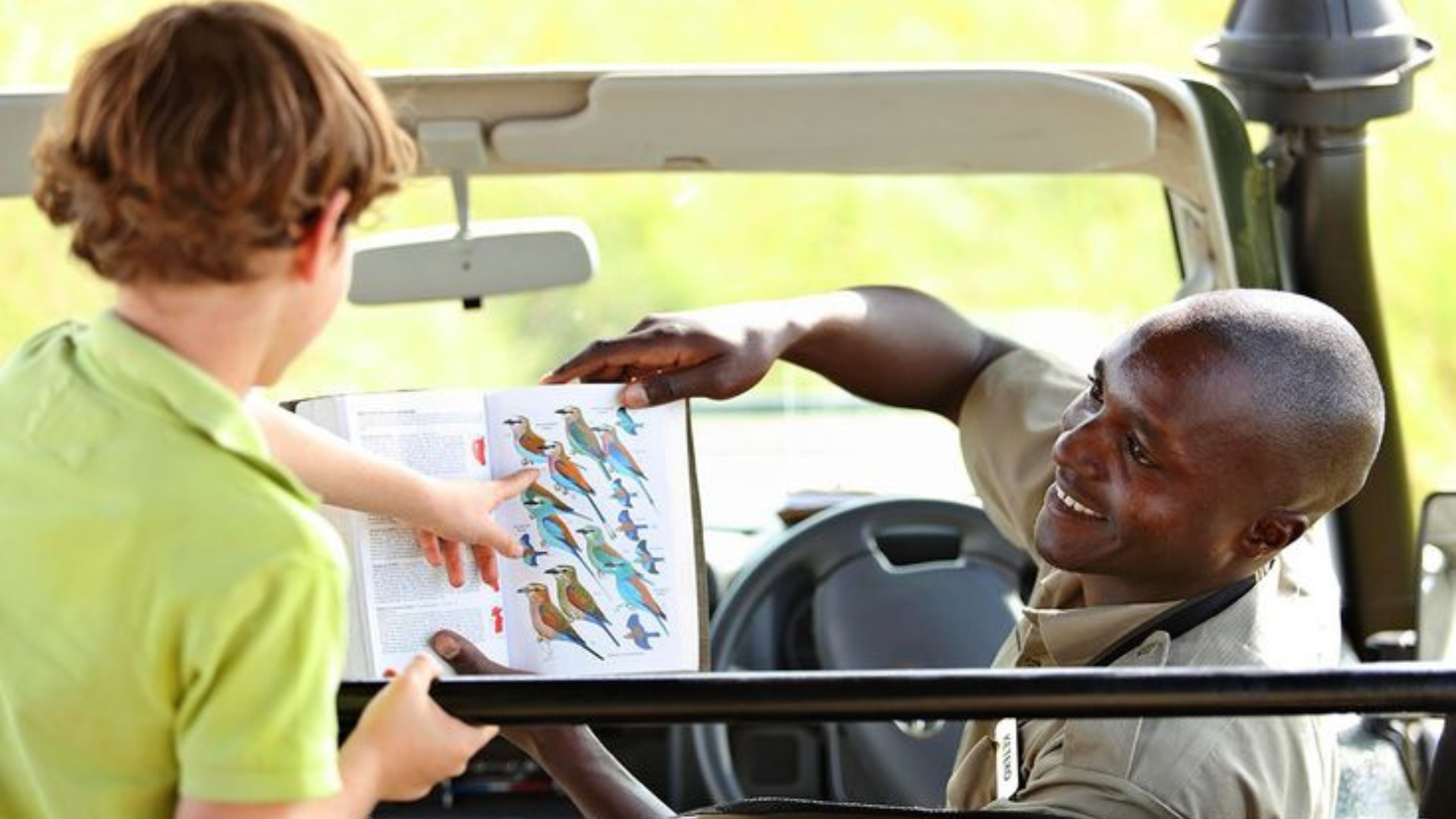
Your guide spends hours driving, tracking wildlife, sharing knowledge about the ecosystem and ensuring your safety. They often have the greatest impact on your safari experience.
Tracker
In destinations where guides work alongside trackers, both play distinct roles. Trackers use years of experience to locate wildlife that many guests would never spot themselves.
Camp or Lodge Staff
This includes:
- Housekeeping
- Restaurant and dining staff
- Bartenders
- Porters
- Camp attendants
- Maintenance and support staff
Many lodges provide a communal staff tip box so that gratuities are shared fairly among the wider team.
Butler or Personal Host
If your stay includes a dedicated butler or personal host, you may wish to recognise their personalised service separately.
Transfer Drivers
Airport transfers and road transfers are another opportunity to acknowledge excellent service.
How to Tip
Many travellers ask about the best way to leave a tip while on safari.
Traditionally, guests tipped using cash in local currency or US dollars. Today, many lodges also offer secure digital tipping options, making it easier for travellers who prefer not to carry cash.
Whichever method you choose:
- Tip at the end of your stay or after your final game drive.
- Give individual tips directly to guides or hosts if appropriate.
- If travelling as a family or group, consider pooling your gratuities.
- Download a digital Shukran tip app, load your wallet and tip
The most important thing is that your tip reaches the people you wish to thank.
How Much Do You Tip?
One of the most searched questions is "How much should I tip a safari guide?"
There is no universal rule, and recommendations vary between countries, properties and the style of safari.
As a general guide:
Team Member | Suggested Daily Tip |
| Safari Guide | USD $15–25 per guest |
| Tracker | USD $10–15 per guest |
| Camp or Lodge Staff (Shared Tip Box) | USD $10–20 per guest |
| Butler or Personal Host | USD $10–20 per guest |
| Transfer Driver | USD $5–10 per transfer |
These are simply guidelines.
High-end properties may recommend higher amounts, while shorter stays or group travel may influence what feels appropriate. If you're unsure, your lodge can advise on local tipping customs.
Ultimately, tip according to the level of service you received and what feels comfortable for your budget.
Advice for Easier Tipping
Planning ahead makes tipping simple and stress-free.
Here are a few practical tips before you travel:
- Carry small denominations if you plan to tip with cash.
- Ask your lodge about its tipping policy when you arrive.
- Check whether gratuities are included in your package.
- Keep some flexibility for exceptional service.
- If you're visiting multiple camps, budget for tipping in advance.
- Don't feel pressured; the value of your appreciation matters more than the amount.
Many travellers today also prefer cashless payments, particularly when moving between countries or avoiding the need to carry multiple currencies.
If you'd like to recognise exceptional service during your stay, many properties now offer a simple, secure and cashless way to leave a tip, powered by Shukran. It allows you to thank the people who made your experience memorable using your preferred payment method, without the need for cash.
Final Thoughts
The memories you take home from an African safari are often shaped by the people you meet along the way.
A knowledgeable guide, a warm welcome after a morning game drive, or a thoughtful gesture from your lodge team can transform a great holiday into an unforgettable one.
Tipping is one small way to acknowledge that care and dedication. Whether you choose to tip with cash or digitally, your gratitude helps recognise the people who work every day to create extraordinary safari experiences.
Download the Shukran Tipping app and be able to tip today.