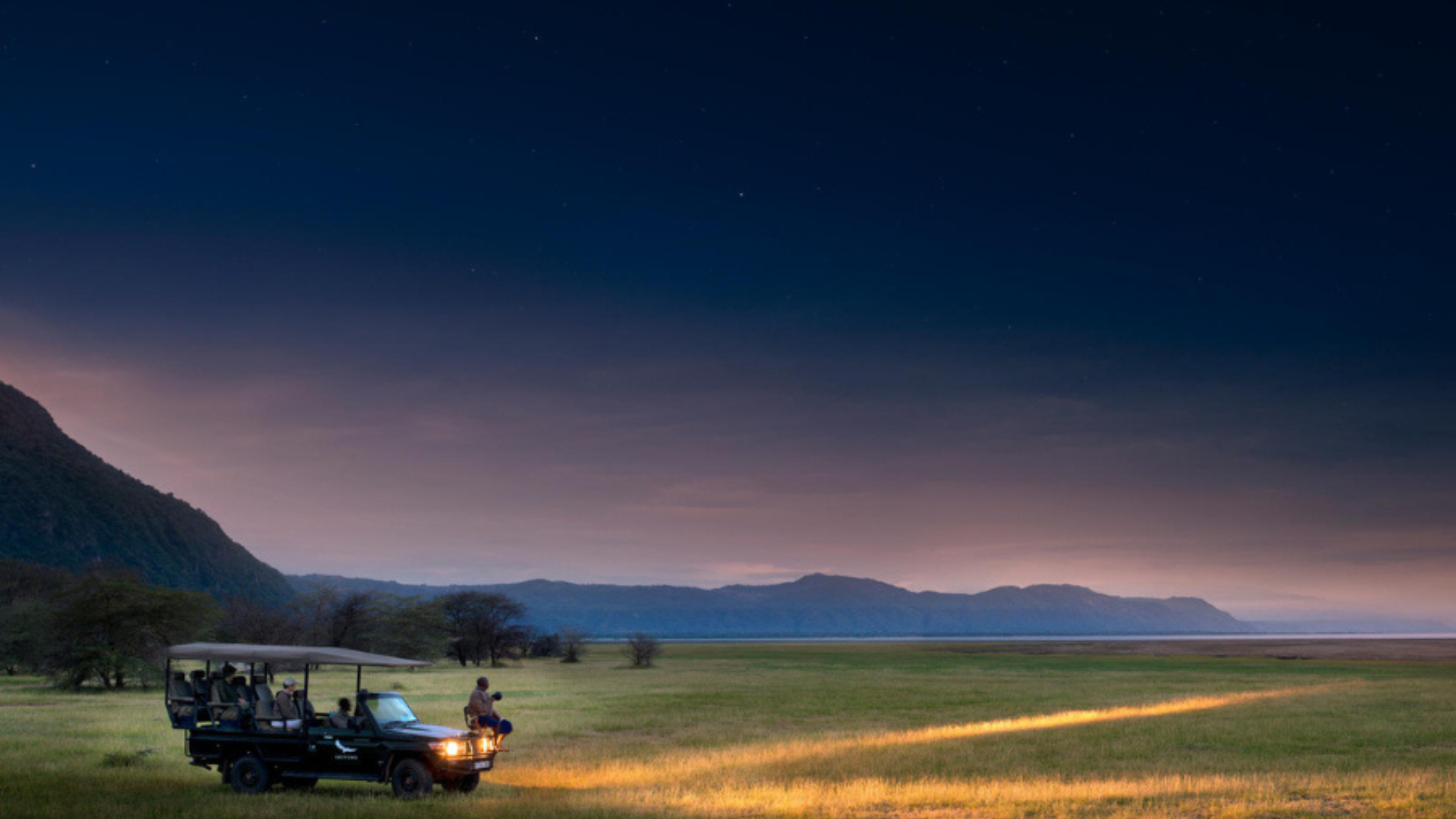
You don't plan a safari the way you'd plan a city break. Planning an African safari is an act of intention and the travellers who get it right are the ones who start by asking the right questions.
Start With the Experience You Want
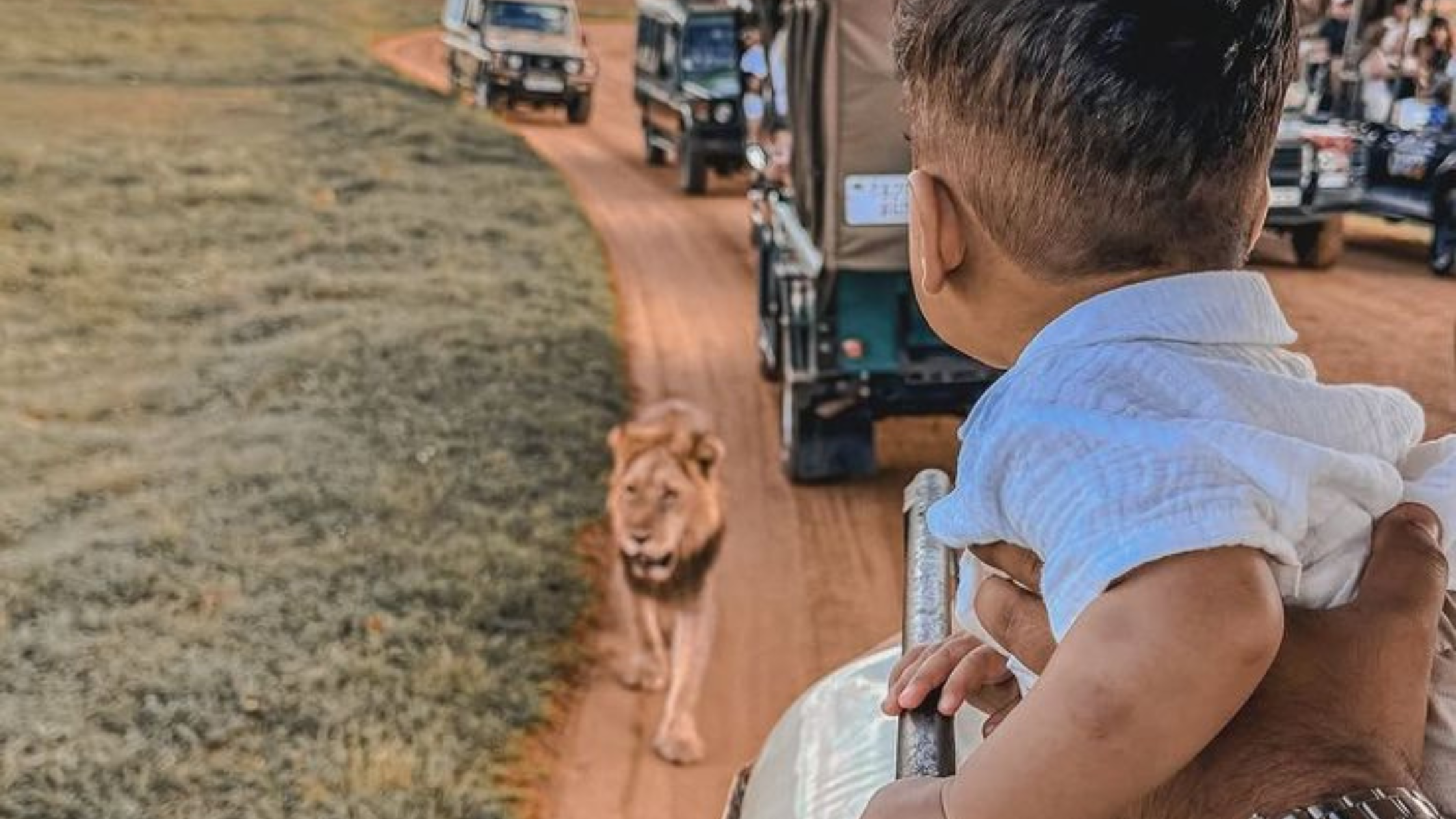
Not all African safaris are the same. A family with young children plans very differently from a solo photographer chasing golden-hour light at a Mara River crossing.
Before you open a map, open a conversation with yourself: What wildlife moment would you regret missing? Are you here to witness, to connect or simply to disappear into the landscape?
Your answers will shape the region you visit, the camps and lodges you choose and when you travel.
Time Your Visit to What You Most Want to See
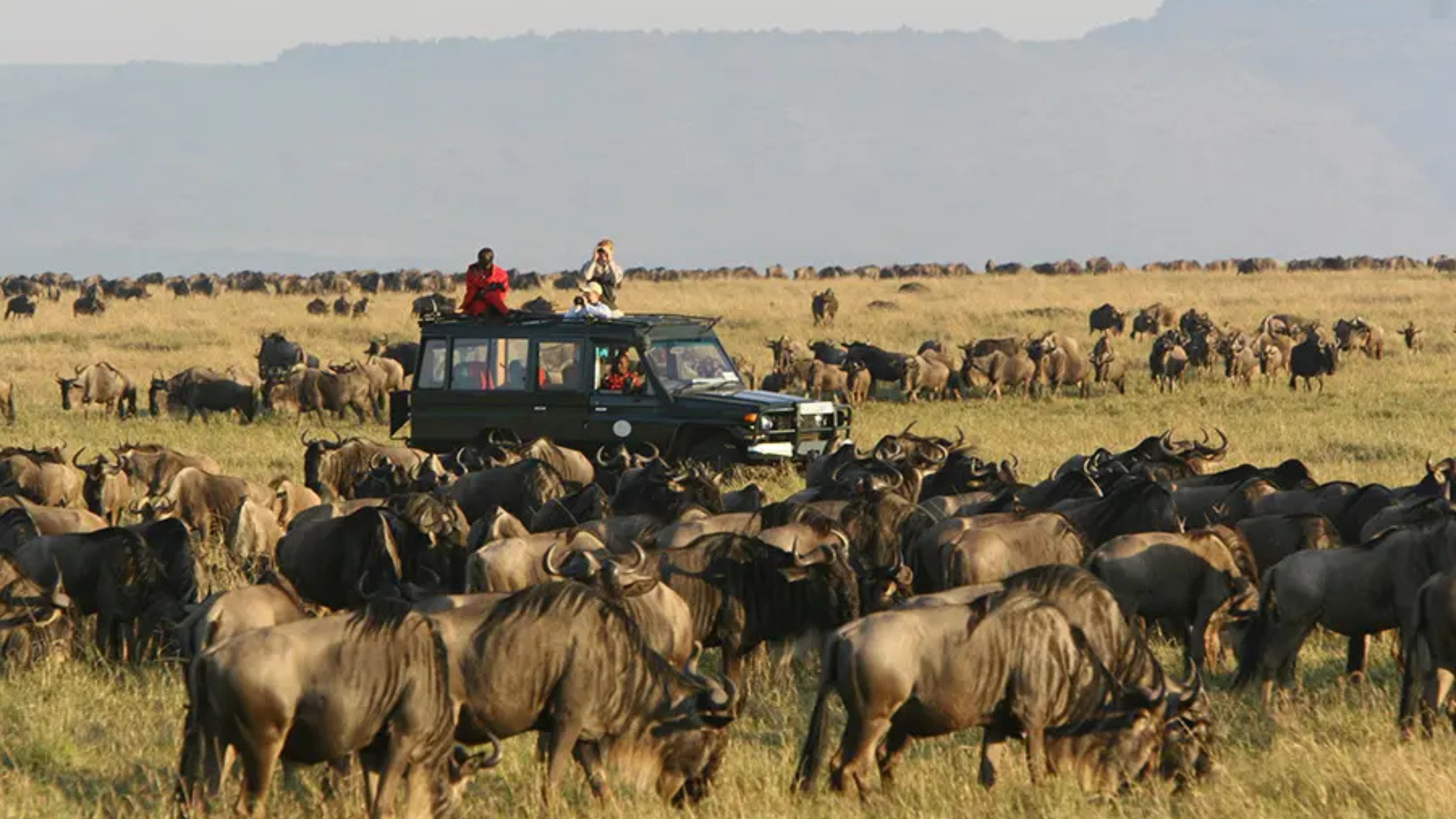
July to October is the prime season across East Africa. In the Maasai Mara and northern Serengeti, 1.5 million wildebeest cross between Tanzania and Kenya while predators gather around Tanzania's calving plains. In Uganda and Rwanda, the dry conditions make gorilla trekking through Bwindi and the Volcanoes forests at its most rewarding.
January to March is quieter. Crowds thin, rates drop, and Amboseli Basin elephant herds moving against a clear-sky view of Kilimanjaro is at their most spectacular.
June marks the start of the long dry season. Wildlife concentrates around permanent water; Botswana's Okavango Delta floods to its peak, opening the landscape to mokoro canoe safaris, and Zimbabwe and Zambia sharpen for big game viewing.
March to May is the season most travellers skip. But Victoria Falls at peak flow, thundering between Zimbabwe and Zambia, is a spectacle worth planning around.
The best safari timing depends on what you're chasing: a river crossing, a gorilla encounter, a mokoro drift or simply a landscape with fewer vehicles in it.
Slow Down. The Safari Will Find You.
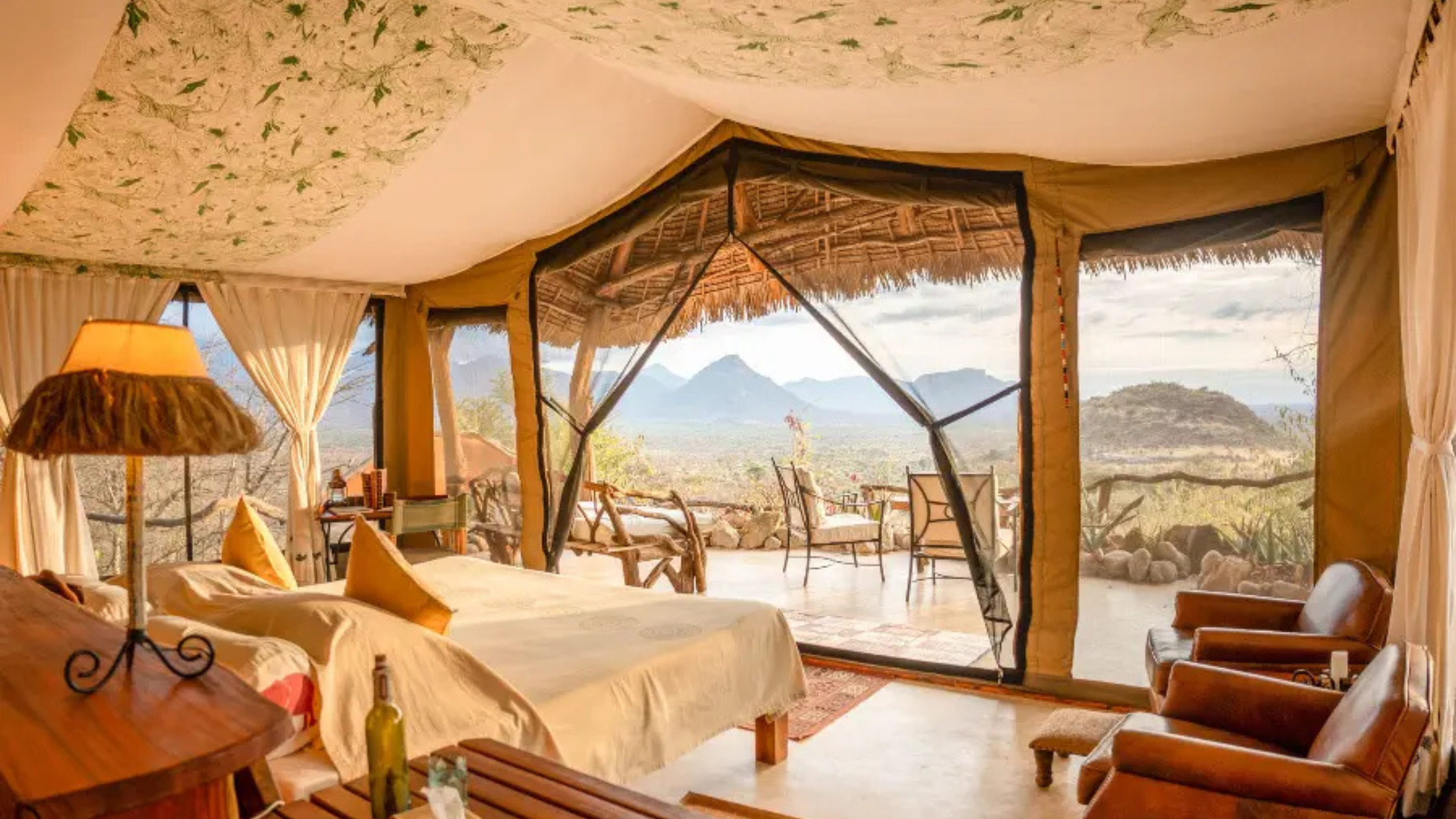
First-time travellers often arrive with a list. The best ones leave it behind. The guides at Ekorian Mugie in Laikipia know individual animals by name but that depth only reveals itself when you stay long enough to ask for it. Choose two or three regions. Stay at least three nights in each.
The People Who Make It Possible
The ranger who tracked lion prints in the dark so you could be in position at first light. The guide who read a single impala's lifted head and knew a leopard was watching from the acacia 40 metres away. These are workers at the frontline and their expertise is the product you're actually buying.
The Shukran app makes it easy to tip them directly and digitally. Download it before you travel, and arrive ready to enjoy your trip.