From Kenya’s luxury hospitality spotlight to Zanzibar’s changing travel market, below are five developments shaping the region’s tourism industry.
African tourism continues to evolve. International recognition is putting hospitality businesses in the spotlight, airlines are responding to changing travel demand, and conservation is attracting significant financing. At the same time, destinations are navigating tougher competition and exploring ways to make travel across the continent easier.
For hotels, camps, lodges and tour operators, these developments are more than industry headlines. They offer clues about where opportunities are emerging, what travellers may expect next, and how businesses can prepare.
Here are five stories worth keeping on your radar this October.
1. Kenya’s luxury hospitality scene takes centre stage

Image Credits: Tatler
Kenya’s position in the luxury travel market received a boost in October with the inaugural Tatler Best Africa Awards, held in Nairobi.
Fifteen Kenyan properties were recognised at the event, which celebrated 100 hotels across 21 African countries. The awards formed part of a wider week of tourism activity that included the Magical Kenya Travel Expo, attracting 10,000 delegates from more than 40 countries.
The recognition places Kenya’s hospitality offering in front of influential travellers, industry professionals and potential investors. It also highlights the diversity of experiences that help attract visitors, from safari lodges and coastal resorts to restaurants, cultural attractions and wellness experiences.
What this means for hospitality businesses
Recognition can help a destination attract attention, but maintaining that attention depends on the experience delivered after a guest arrives.
As more destinations compete for premium travellers, service quality, personalisation and memorable experiences become increasingly important differentiators. For properties, the opportunity is to turn international visibility into repeat visits, stronger recommendations and lasting guest relationships.
The bigger question is not only how to attract the next guest, but how to give them an experience worth talking about long after they leave.
Read more: Tourism News Africa’s coverage of the Tatler Best Africa Awards.
2. Zanzibar’s air connectivity is growing, but hotel competition is intensifying

Image Credits: Getty Images
Zanzibar is preparing for a significant increase in air connectivity. Tourism intelligence released by the African Travel and Tourism Association (ATTA®) in October forecasts a 33% increase in available airline seats over the next six months.
The data points to changing international travel patterns, with growing connections through Gulf aviation hubs and increased interest from markets including Russia, the United Kingdom, Germany and France.
However, the outlook for accommodation businesses is more complicated. Average advertised hotel room rates fell by approximately 18% year-on-year across the 12 months to October 2026, suggesting increased price competition despite expanding connectivity.
Zanzibar’s appeal is also extending beyond its traditional beach offering. The same analysis identifies interest in active experiences, arts and culture, wellness, family activities and gastronomy.
What this means for hospitality businesses
More available seats create an opportunity to attract visitors, but they do not automatically translate into higher occupancy or stronger profits for every property.
Hotels and resorts may need to think beyond discounts to stand out. Distinctive experiences, consistent service, well-designed packages and opportunities to explore local culture can help properties communicate their value.
There is also an opportunity to encourage visitors to stay longer and explore more of the destination, spreading spending across accommodation, restaurants, excursions and local businesses.
For Zanzibar’s hospitality sector, the challenge is turning growing access into sustainable commercial returns.
Read more: ATTA®’s analysis of Zanzibar’s changing travel market.
3. Kenya secures $160 million for conservation
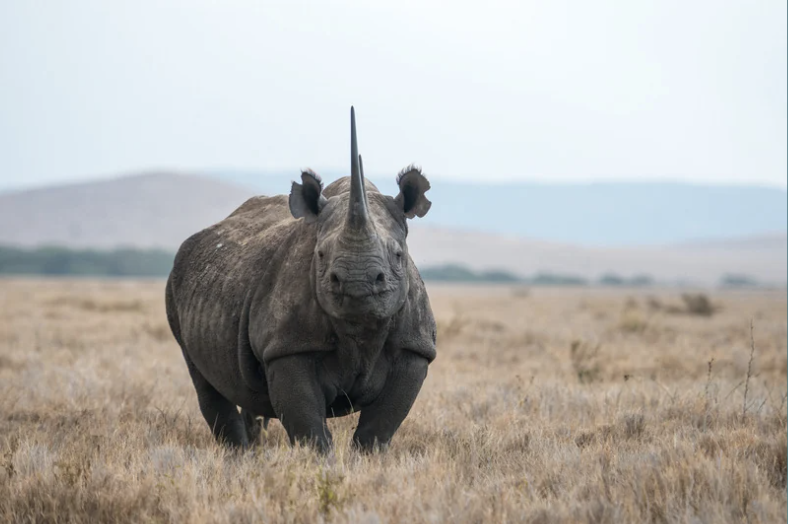
Image credits: Getty Images
On 21st October, Kenya’s government and a group of international donors signed a $160 million conservation financing agreement under the Thamani Asili programme, meaning “value of nature” in Kiswahili.
The initiative aims to protect 173,000 square kilometres of biodiversity-rich landscapes over the next decade. It combines $80 million from donors with a matching $80 million contribution from the Kenyan government, with funding directed towards establishing new conservation areas and improving the management of existing ones. The programme is also intended to benefit wildlife and communities living alongside these landscapes.
The programme includes important wildlife regions such as Tsavo and the landscape connecting the Maasai Mara ecosystem with Tanzania’s Serengeti.
For Kenya, conservation is not separate from tourism. Wildlife, landscapes and the communities connected to them form part of what draws visitors to the country.
What this means for hospitality businesses
Conservation funding can help strengthen the natural assets on which safari tourism depends. It also reinforces the importance of showing how conservation initiatives work, what they achieve and how local communities benefit.
For lodges, camps and tour operators that support conservation or community projects, this presents an opportunity to communicate their contributions more clearly.
That means moving beyond broad statements about giving back and being able to explain what was supported, how much was contributed, what happened as a result and what evidence is available.
As sustainability expectations evolve, credible reporting can help build trust with guests, commercial partners and donors.
Read more: Reuters’ report on Kenya’s $160 million conservation deal.
4. International flight bookings to Kenya rise by 9%
Image Credits: Envato
New travel intelligence published by ATTA® in October reported a 9% year-on-year increase in international flight bookings to Kenya, pointing to continued interest in the destination and opportunities across key international markets.
Air connectivity is an important part of tourism growth. Travellers need convenient ways to reach a destination, while travel agents and tour operators need reliable connections when designing and selling itineraries.
For Kenya, international demand creates opportunities across the wider tourism ecosystem: hotels, safari operators, transport providers, restaurants, guides and local experience businesses.
But booking growth alone does not tell the whole story. The commercial impact also depends on where visitors travel, how long they stay, what they spend and how widely that spending reaches local businesses.
What this means for hospitality businesses
Businesses can prepare by looking at their entire guest journey, from the first booking enquiry to the experience on the ground.
Clear communication, smooth transfers, coordinated experiences and convenient payment options all contribute to a visitor’s overall impression of a destination.
As international interest grows, businesses also have an opportunity to build stronger relationships with guests, encourage repeat visits and make it easier for travellers to discover additional experiences during their stay.
Read more: ATTA®’s October report on international flight bookings to Kenya.
5. Could an AFCON travel plan make East Africa easier to explore?

Image Credits: CAF
Kenya, Tanzania and Uganda are exploring a common tourist visa linked to the 2027 Africa Cup of Nations (AFCON), which the three countries are scheduled to co-host.
The proposal could make it easier for eligible visitors to travel between the three countries during the tournament period and create new opportunities for multi-country travel packages. However, the arrangement is still under discussion, and its price, eligibility requirements and operating dates have not been confirmed.
The opportunity is significant because the countries offer complementary tourism experiences. Kenya has established safari and coastal circuits, Tanzania combines iconic wildlife destinations with Zanzibar’s island experiences, while Uganda offers gorilla trekking, wildlife and cultural tourism.
A visitor travelling for a football match could potentially extend their trip to include a safari, a beach holiday or experiences in another participating country.
What this means for hospitality businesses
The proposal highlights the potential of selling East Africa as a connected destination rather than a collection of separate national itineraries.
Hotels, camps and tour operators could benefit from partnerships that encourage longer stays and make it easier for travellers to combine experiences across borders.
However, that opportunity depends on practical details: clear entry requirements, reliable transport connections, accommodation availability and coordinated travel products.
For now, businesses should treat the common visa as a proposal to watch rather than an available travel option. If it progresses, early preparation could help operators develop packages and partnerships ahead of AFCON 2027.
Follow updates here: Kenya Association of Travel Agents.
Stay in the know.
We'll keep bringing you the stories, trends and conversations shaping African hospitality and tourism, so you don't have to search for them yourself.
Join our newsletter to receive monthly updates
