
Africa's tourism economies are among the most extraordinary on earth. This is how we ensure they work for everyone in them.
A Continent of Extraordinary Tourism, An Uneven Reality
Africa is one of the world's great tourism destinations. The continent welcomes over 67 million international visitors annually and tourism contributes more than $168 billion to African economies each year. From the wildlife corridors of East Africa to the game reserves of Southern Africa, from the Atlantic coastline of West Africa to the cultural richness of North Africa, the continent offers experiences that cannot be replicated anywhere else on earth.
Yet behind this growth lies a pattern that repeats itself from Nairobi to Cape Town, from Zanzibar to the Okavango. The guides, the housekeepers, the rangers, the chefs, the safari drivers and the front-of-house teams, the people who define these experiences, consistently receive the smallest share of the value they help create.
East Africa makes this visible with particular clarity. Kenya alone generates over KES 500 billion in tourism value annually. Tanzania's safari industry draws hundreds of thousands of visitors each season. Botswana's conservation model is studied globally. Rwanda has built one of the continent's fastest-growing tourism economies. In every case, the workers at the heart of the experience remain economically marginalised by the systems surrounding it.
The conversation is beginning to shift. The future of African tourism is no longer only about attracting more travellers. It is about ensuring the value of those journeys reaches the communities and the individuals who make them possible.
A Shared Challenge Across the Continent
The structural problem is consistent across African tourism markets. A large share of revenue flows through international booking platforms and intermediaries, leaving local communities with a fraction of the value they generate. Meanwhile, the informal cash-tip economy, the mechanism through which guests have traditionally expressed gratitude is quietly disappearing as the world moves to digital payments.
Most of the continent's hospitality workers now operate in a gap: guests arrive without cash and leave without having tipped, not because they didn't want to but because the infrastructure to do so simply isn't there. Millions of moments of genuine gratitude go unexpressed every year across African tourism corridors.
At the same time, African tourism has a structural advantage that makes this problem uniquely solvable here. The continent's tourism economies are deeply interconnected operators, general managers, ownership groups and industry associations work across shared circuits that span borders. A solution that earns trust in Kenya's safari industry travels naturally to Tanzania, to Botswana and to South Africa. The network effects compound continent-wide.
A Shift Towards Meaningful Travel
Today's visitors to Africa are not passive observers. They arrive with a genuine desire to connect with wildlife, with the landscape and with the communities that steward both. The rise of conservation tourism, community-based experiences and purpose-driven travel across the continent reflects something real: travellers want their presence to mean something.
The definition of value in African travel is changing. It is no longer exclusively about luxury camps and big five sightings. It is increasingly about authentic connection, demonstrated impact and the knowledge that the journey made life measurably better for the people who made it possible. That shift creates the opening for a fundamentally different model, one that African tourism is uniquely positioned to lead.
Building the Generosity Infrastructure for African Tourism

Shukran is building the infrastructure that makes generosity a native part of every hospitality experience across Africa. Not a tool bolted onto the side of a guest journey. Not a charity mechanism. The structural layer is embedded in hospitality itself, ensuring that when a guest feels moved to give, the system is ready to receive.
This infrastructure has three interconnected layers:
- Digital tipping – making it seamless for guests to reward the individuals who served them, in the moment, from their phones, across every property on the continent using Shukran.
- Guest donations – connecting travellers to the conservation projects, community initiatives and local causes woven into the African destinations they love.
- Worker financial inclusion – using the earnings data created by digital tipping to build financial identity for hospitality workers continent-wide, unlocking access to credit, savings and insurance for the first time.
East Africa is where Shukran is proving this model; the region has the highest concentration of intimate, high-value tourism experiences on the continent and the guest-worker relationships that make generosity infrastructure more powerful. From there, the model follows the natural corridors of African tourism: Tanzania, Rwanda, Botswana, Namibia, South Africa and beyond.
Africa's tourism industry is large enough, interconnected enough and distinctive enough to sustain a category-defining generosity platform. Owning that category across the continent is the ambition.
Tipping Changes Lives
Paul is a safari guide in Kenya's Laikipia highlands. He has spent years reading the bush mastering animal behaviour and building the kind of intimate knowledge that transforms a game drive into something a guest carries with them for the rest of their life. He is exceptional at what he does.
Like most hospitality workers across Africa, Joseph has built his career in an era where most guests no longer carry cash. The spontaneous tip, the heartfelt expression of gratitude in the moment, rarely happens anymore. It is not that guests don't want to give. The infrastructure simply isn't there.
Shukran changes that. A guest can tip Joseph directly from their phone, with the emotion still fresh. That gratitude becomes real, traceable income and the beginning of a financial record that has never existed for workers like him before.
Travel That Gives Back
Many visitors to Kenya want to do more than tip the individuals who served them. They want to support the places themselves, the ecosystems, the conservation work, the communities whose wellbeing is inseparable from the wildlife and landscapes that draw travellers here.
Shukran enables hospitality properties to connect guests directly with causes rooted in the destination. A guest in Laikipia can contribute to wildlife protection on the conservancy surrounding their lodge. A guest in Botswana can support a community programme in the Okavango. A guest in Rwanda can give to a local conservation initiative protecting mountain gorilla habitat. The mechanism is consistent across markets, direct, transparent and a natural extension of the hospitality experience rather than a separate charitable transaction.
This is what travel that genuinely gives back looks like in practice across Africa. Not a sustainability badge but a live channel between a traveller's generosity and the ground-level work that sustains the continent's most extraordinary destinations.
Empowering the Frontlines - Beyond the Tip
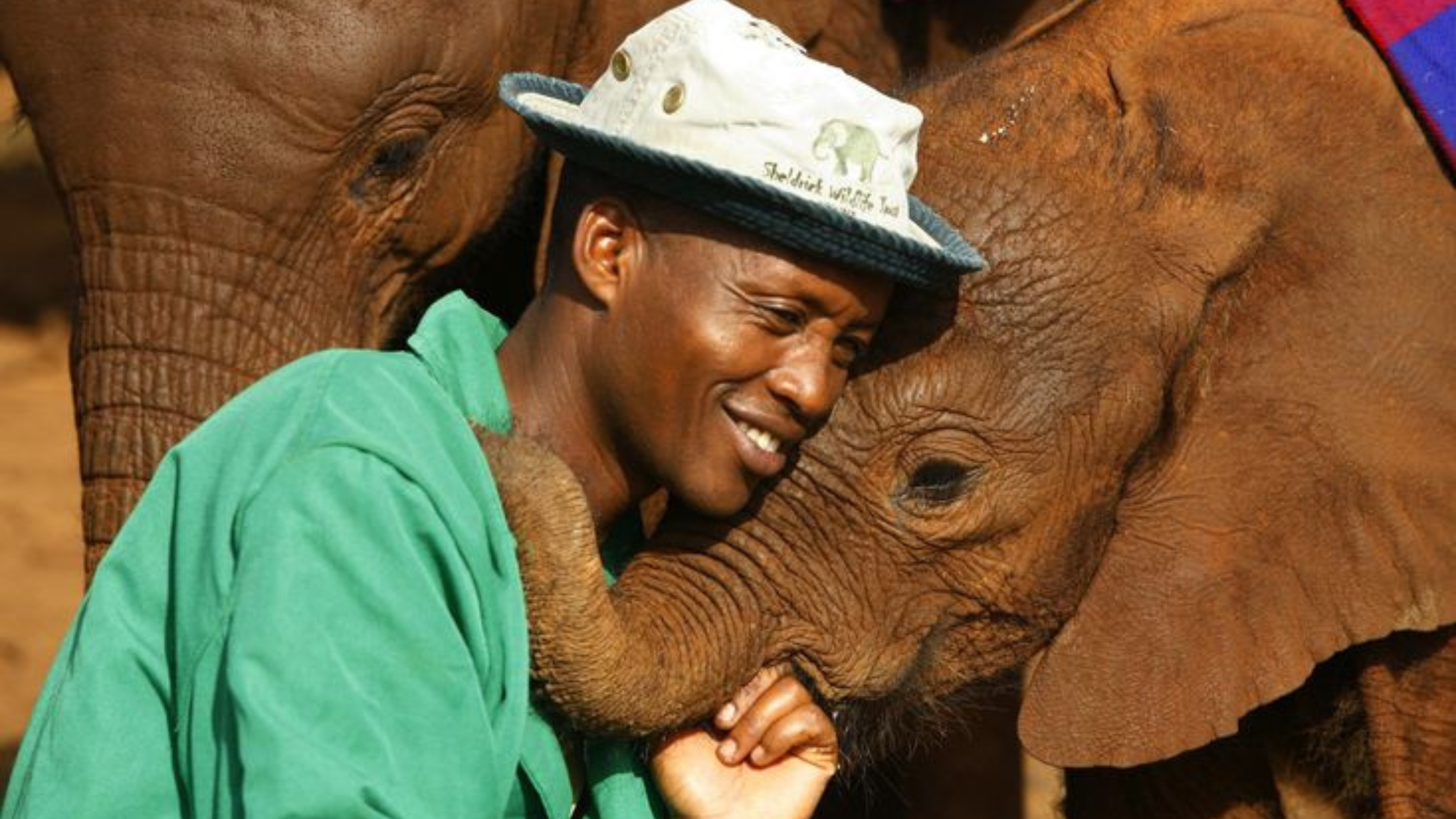
There is a longer arc to what Shukran is building that extends well beyond any individual transaction.
For the majority of Africa's hospitality workers, tips have always been informal cash in hand, unrecorded, invisible to any financial system. That invisibility has significant consequences. Without a verifiable earnings history, accessing credit, savings products or insurance is difficult or impossible for millions of workers who are skilled, consistently employed and economically productive across the continent.
Every digital tip processed through Shukran creates a data point. Over time, those data points become a worker's earnings profile a portable, verifiable record of their real economic contribution. That record is the foundation for financial services that have never been accessible before: savings tools, income-smoothing products, insurance and ultimately credit.
| For the people who power Africa's tourism economies, every digital tip is more than income. It is the start of a financial identity. |
This is what empowering the frontlines means in full: not just higher earnings today but genuine financial agency over a career and a lifetime. And because Shukran is scaling across a continent whose tourism workers share similar economic realities and financial exclusions, the impact compounds with every new market.
A Continental Movement, Built to Last
Shukran is not building a product for a single market. It is building the generosity infrastructure for African tourism and the movement to sustain it.
The playbook is consistent: establish Shukran as the trusted generosity layer across a tourism corridor, rally the industry around a bold national tipping movement with a measurable goal, then use the momentum, the data and the peer network to move to the next market. East Africa first. Then Southern Africa. Then the continent.
Africa's tourism economies are more interconnected than they appear from the outside. Ownership groups operate across borders. General managers move between markets. Industry associations span the continent. A platform that earns deep trust in Kenya's safari industry that becomes the system of record for generosity in the Maasai Mara has a natural path to Serengeti camps, Okavango lodges, Cape winelands estates and Rwandan mountain sanctuaries. The network effects of corridor dominance compound at a continental scale.
Join the Movement
Tourism is one of Africa's most powerful forces for economic transformation but only when we participate with intention. It is becoming something larger than an industry: a movement built on recognition, fairness and the conviction that the value of travel should be shared by everyone who makes it possible.
Where travel creates shared prosperity. — Shukran |
