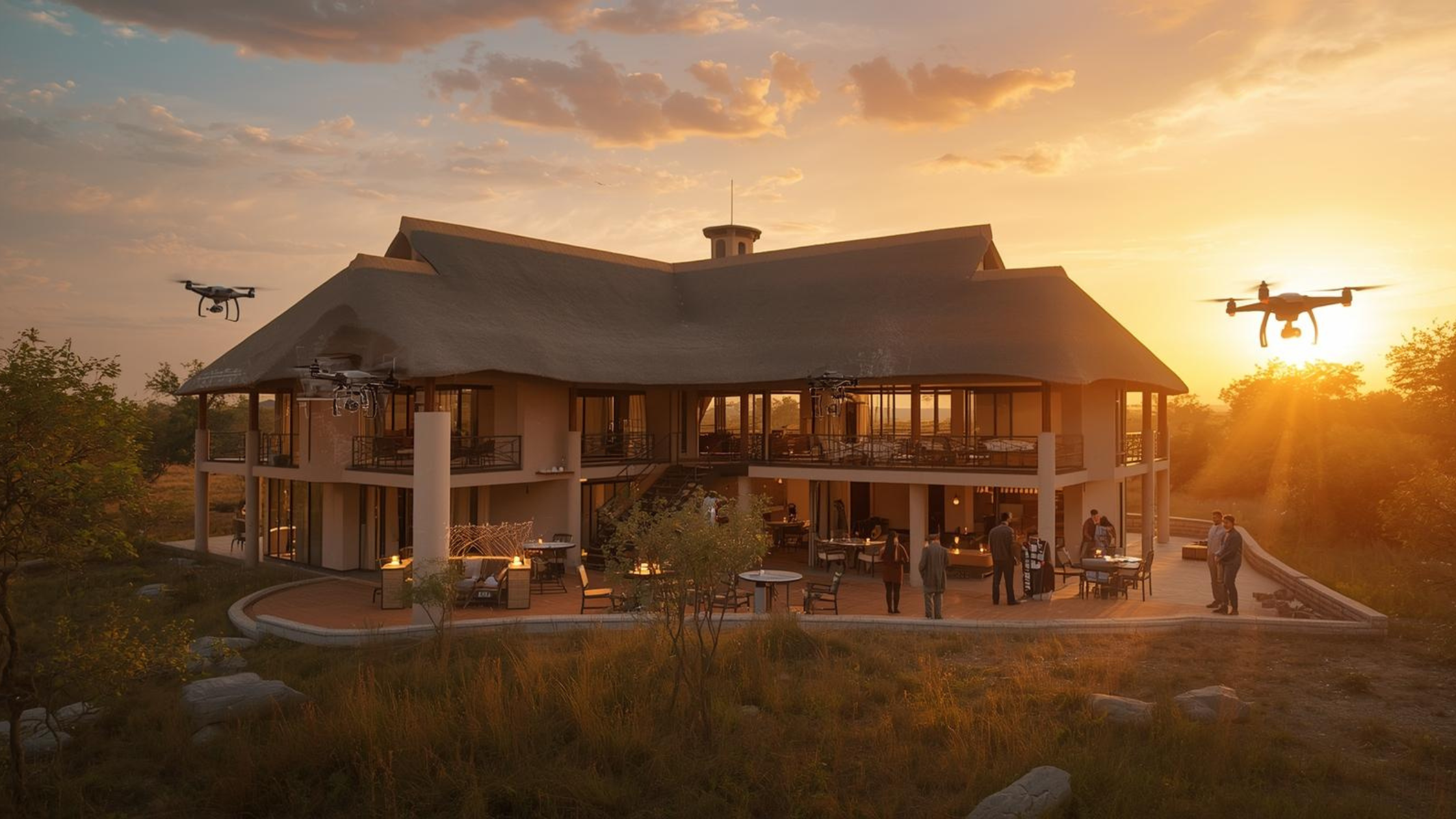
Hospitality has always been built on one timeless promise: to make people feel welcome. Yet how that promise is delivered has changed dramatically over time. From railway hotels and seaside lodges to AI-powered guest journeys and mobile bookings, the hospitality industry has evolved into one of the most innovation-driven sectors in the global economy.
And the evolution is still unfolding.
1. From Traditional Service to a Global Industry
The earliest forms of hospitality were simple. Inns, lodges and family-run establishments offered food, rest and human connection. Service was deeply personal. Reputation traveled by word of mouth.
The mid-20th century changed everything. Commercial aviation expanded global travel and international hotel brands began standardizing service delivery. Star classifications, brand identity and operational systems turned hospitality from a local craft into a structured global industry.
By 2019, international tourist arrivals reached 1.5 billion, according to the United Nations World Tourism Organization. Tourism has become one of the world’s largest economic sectors, a pillar of employment, infrastructure and cross-border exchange.
The industry had scaled. But scale would soon meet disruption.

2. The Digital Transformation Era
The early 2000s ushered in a quiet revolution: digital disruption.
Online travel agencies (OTAs), review platforms and mobile booking systems fundamentally changed how travelers discover and choose hotels. Guests no longer relied solely on brand familiarity. They relied on search engines, reviews and ratings, user-generated content and digital visibility.
Today:
- Over 70% of travelers research online before booking.
- More than 50% of hotel bookings happen on mobile devices.
- 81% of travelers read reviews before making a reservation.
This shift redefined hotel marketing, SEO strategy and reputation management. The first impression was no longer the hotel lobby; it was the website, the Instagram feed or the Google search result.
Hospitality has become as much about digital presence as physical service.
3. The Rise of the Experience Economy
As technology expanded access, guest expectations evolved.
Travelers began seeking more than accommodation. They sought experiences. Cultural immersion. Wellness escapes. Eco-tourism adventures. Boutique stays with personality.
This marked the rise of the experience economy in hospitality.
Modern guests prioritize:
- Authenticity
- Sustainability
- Personalization
- Story-driven brands
Research shows that businesses prioritizing customer experience outperform competitors in revenue growth. In hospitality, this has translated into AI-powered personalization, smart rooms, curated guest journeys and data-driven service design.
Hotels are no longer just selling rooms. They are curating memories.
4. Post-Pandemic Reinvention
The COVID-19 pandemic was perhaps the industry’s greatest stress test.
Travel halted. Borders closed. Occupancy rates plummeted. Yet innovation accelerated.
Contactless check-ins, QR menus, enhanced hygiene protocols, flexible booking policies and hybrid “work-from-anywhere” packages quickly became standard. Operators who embraced technology and adaptability recovered faster.
By 2023, global tourism had rebounded to over 80% of pre-pandemic levels. The lesson was clear:
Hospitality is resilient because reinvention is embedded in its DNA.
5. Innovation as Competitive Advantage
In today’s hospitality landscape, innovation is not a trend. It is a strategy.
Leading brands are investing in:
- Artificial intelligence for predictive pricing
- Sustainable hospitality certifications
- Data analytics and revenue management systems
- Community-based tourism partnerships
- Content marketing and storytelling
The competitive edge now lies in brand visibility, operational efficiency, guest personalization, and sustainable practices.
Properties that integrate technology, sustainability and storytelling are positioning themselves for long-term growth.
6. The Expanding Support Ecosystem
As hospitality evolves, so does its ecosystem.
Growth in travel demand has driven expansion in:
- Hospitality tech platforms
- SEO and digital marketing agencies
- Supply chain and logistics providers
- Design and development specialists
- Experience curators and destination storytellers
This ecosystem supports the industry’s shift toward digital-first visibility and operational excellence.
The modern hospitality brand does not operate in isolation. It operates within an interconnected network of technology, marketing and experience-driven partners.
From Rooms to Relationships
If there is one defining shift in the evolution of hospitality, it is this:
The industry has moved from transactional service to relationship-driven engagement.
Guests are no longer booking beds. They are booking identity, belonging and shared values. They want brands that reflect who they are and how they travel.
In this environment, storytelling, SEO optimization, digital presence and brand authenticity are not marketing luxuries. They are growth drivers.
Visibility is the new currency of hospitality.

In Conclusion
The evolution of the hospitality industry from traditional inns to digitally driven guest ecosystems tells a story of resilience and constant reinvention. As technology, sustainability, and guest expectations continue to reshape the landscape, innovation remains the industry’s steady driving force. Within this shift, platforms like Shukran form part of the growing innovation ecosystem supporting hotels, restaurants, resorts, safari lodges and camps as they navigate visibility ,storytelling ,donations for conservancies and tipping in a digital-first world. To explore more reflections on hospitality and its future, you can visit the Shukran blog page.
